The Responsibility Gap
Imagine a Saturday wedding at your venue.
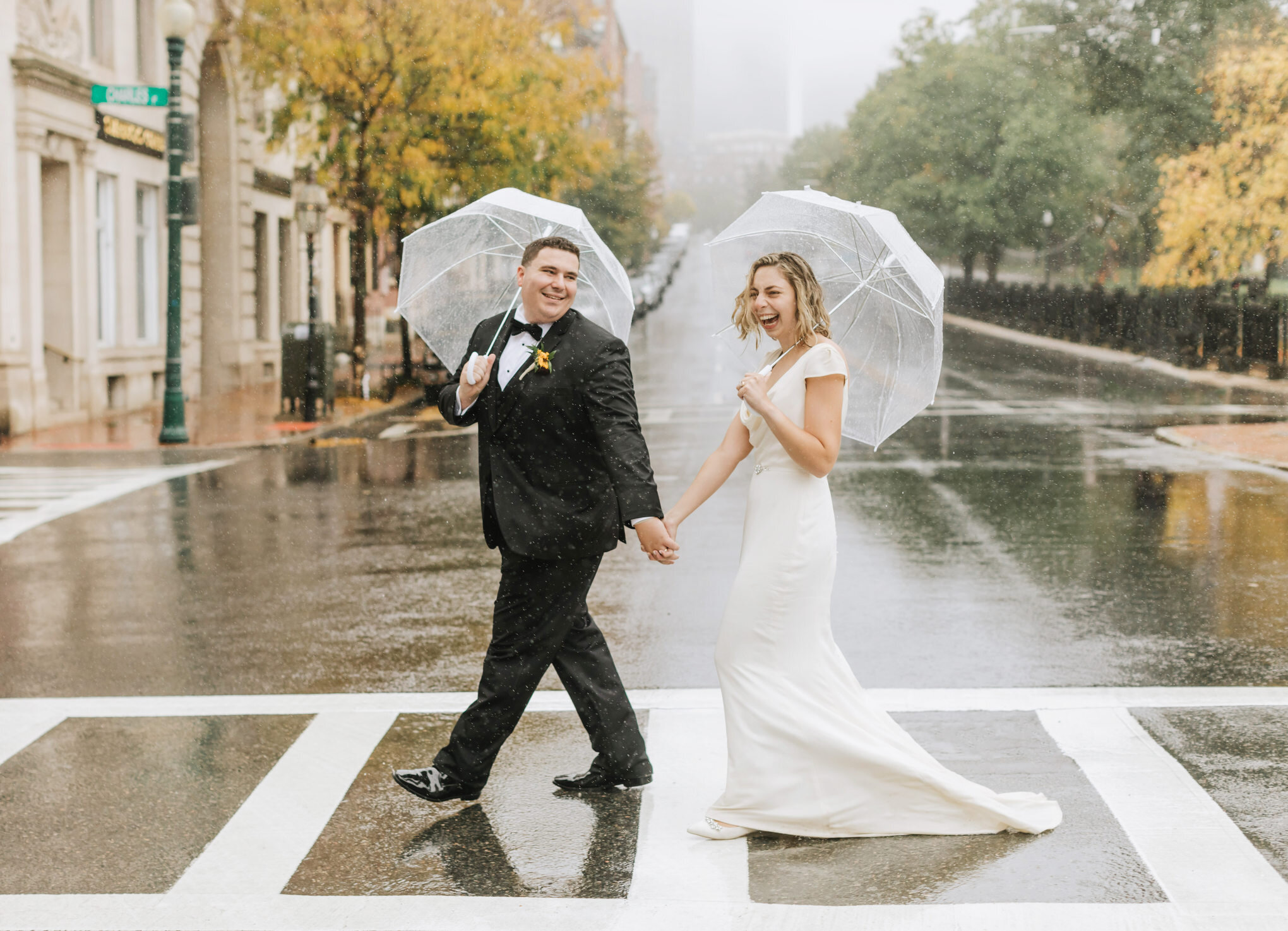
The forecast is calling for thunderstorms later in the evening. The venue manager has talked with the planner about the weather, and the planner has discussed it with the couple.
Everyone knows there is a possibility of rain.
But who actually makes the decision to move the ceremony inside?
The venue thinks the planner will make the call.
The planner thinks the venue will make the call.
The couple assumes the professionals will tell them what to do.
Suddenly, 150 guests are arriving and nobody is quite sure who has the authority to make the decision.
This is a responsibility gap.
And it doesn’t just happen with weather.
Who Is Watching the Cords?
Consider something much smaller.
A DJ sets up near the dance floor and runs several cords across an area where vendors and guests will be walking.
The DJ assumes the venue will tell them if something is unsafe.
The venue assumes the DJ knows how to safely set up their equipment.
The planner assumes the venue has already inspected the space.
Everyone is involved.
But nobody has specifically been assigned responsibility for making sure those cords are secured.
That’s how a simple operational issue can become a guest injury.
The problem isn’t necessarily that someone was careless.
The problem is that the responsibility was never clearly assigned.
Responsibility Is Different From Blame
This is an important distinction for venue owners.
Creating clear responsibilities isn’t about finding someone to blame when something goes wrong.
It’s about making sure everyone knows what they’re expected to do before something goes wrong.
A strong event operation should answer questions like:
- Who monitors severe weather?
- Who decides whether an outdoor ceremony needs to move?
- Who checks the property before guests arrive?
- Who handles an injured guest?
- Who calls 911?
- Who addresses an intoxicated guest?
- Who handles an unsafe vendor setup?
- Who communicates with the couple?
- Who communicates with vendors?
- Who documents an incident?
If the answer to any of those questions is:
“I assume someone does that,”
you may have a responsibility gap.
Start With the Things That Can Go Wrong
You don’t need a 40-page emergency manual to start fixing this.
Begin with the situations that are most likely to occur at your venue.
For example:
Severe Weather
Who monitors the forecast?
Who communicates changing conditions to the couple and planner?
Who has authority to move an event indoors?
Who communicates the decision to vendors and guests?
Guest Injury
Who responds first?
Who calls emergency services?
Who stays with the guest?
Who keeps other guests away from the area?
Who documents what happened?
Vendor Problem
A vendor arrives with an unsafe setup.
Who stops the setup?
Who talks to the vendor?
Who determines whether the vendor can continue?
Alcohol-Related Incident
A guest becomes visibly intoxicated.
Who addresses the situation?
Who communicates with the bartender?
Who contacts the planner or couple?
Who determines whether the guest needs assistance leaving the property?
The answers don’t have to be complicated.
They just need to exist.
Give People a “Primary” and a “Backup”
One of the easiest ways to close responsibility gaps is to assign both a primary person and a backup person.
For example:
Severe Weather: Venue Manager → Assistant Manager
Guest Injury: Event Manager → Designated Staff Member
Vendor Safety: Venue Manager → Planner
Emergency Services: First available staff member → Venue Manager
This matters because weddings don’t always happen during convenient business hours.
Your usual manager may be off-site. Someone may be on a break. A team member may call in sick.
A responsibility that only exists when one specific person is present isn’t really a process.
It’s a dependency.
Put It in Writing
The next step is to document those responsibilities.
This can be as simple as a one-page Wedding Day Responsibility Sheet shared with the venue team and appropriate event partners.
It might include:
VENUE: Property safety, facility issues, emergency procedures
PLANNER: Timeline, couple communication, vendor coordination
CATERER: Food service and catering operations
BAR SERVICE: Alcohol service and bartender responsibilities
DJ/ENTERTAINMENT: Equipment setup and operation
RENTAL COMPANY: Delivery, installation, and removal of rental equipment
The goal isn’t to transfer every risk to someone else.
The goal is to make sure everyone understands where their responsibility begins and ends.
Don’t Assume “That’s Their Job”
This is one of the easiest traps for a venue owner.
A venue might say:
“The planner handles that.”
The planner might say:
“That’s the venue’s responsibility.”
The bartender might say:
“That’s the security team’s job.”
And security might say:
“We weren’t told about it.”
The problem isn’t necessarily that any one person is wrong.
The problem is that the handoff wasn’t defined.
Good event operations require clear handoffs between people.
For example:
The venue identifies a weather concern → the venue communicates it to the planner → the planner communicates with the couple → the venue and planner execute the agreed contingency plan.
Everyone has a role.
Nobody has to guess.
Your Venue’s 10-Minute Responsibility Test
Here’s a simple exercise you can do with your team before your next wedding.
Pick five scenarios:
- A guest trips and is injured.
- A thunderstorm approaches during an outdoor ceremony.
- A vendor creates an unsafe setup.
- A guest becomes severely intoxicated.
- The power goes out during the reception.
For each one, ask your staff:
“Who handles this?”
Don’t give them the answer first.
Listen to what they say.
If three employees give you three different answers, you’ve just found a process that needs clarification.
And that’s a good thing.
Because it’s much better to discover a responsibility gap during a staff meeting than at 8:47 PM on a Saturday night.
The Goal Isn’t More Rules
Venue owners don’t need another giant binder sitting on a shelf.
They need clear processes that people can actually follow.
The best risk-management plans are often surprisingly simple:
Someone knows what to watch.
Someone knows what to do.
Someone knows who to call.
Someone knows who makes the decision.
And everyone knows what happens next.
That’s how you turn a group of vendors and venue employees into a coordinated team.
The Nuptial Takeaway
A wedding takes a village.
But a village without defined responsibilities can quickly become a game of “I thought they were handling it.”
Take a look at your next event and ask yourself:
If something goes wrong, will my team know exactly who is responsible for the first step?
If the answer is yes, you’re ahead of the game.
If the answer is “probably,” you’ve found an opportunity to improve your process.
Because good risk management isn’t always about adding another policy, another form, or another insurance requirement.
Sometimes, it’s simply making sure the right person knows what to do before anyone has to ask.