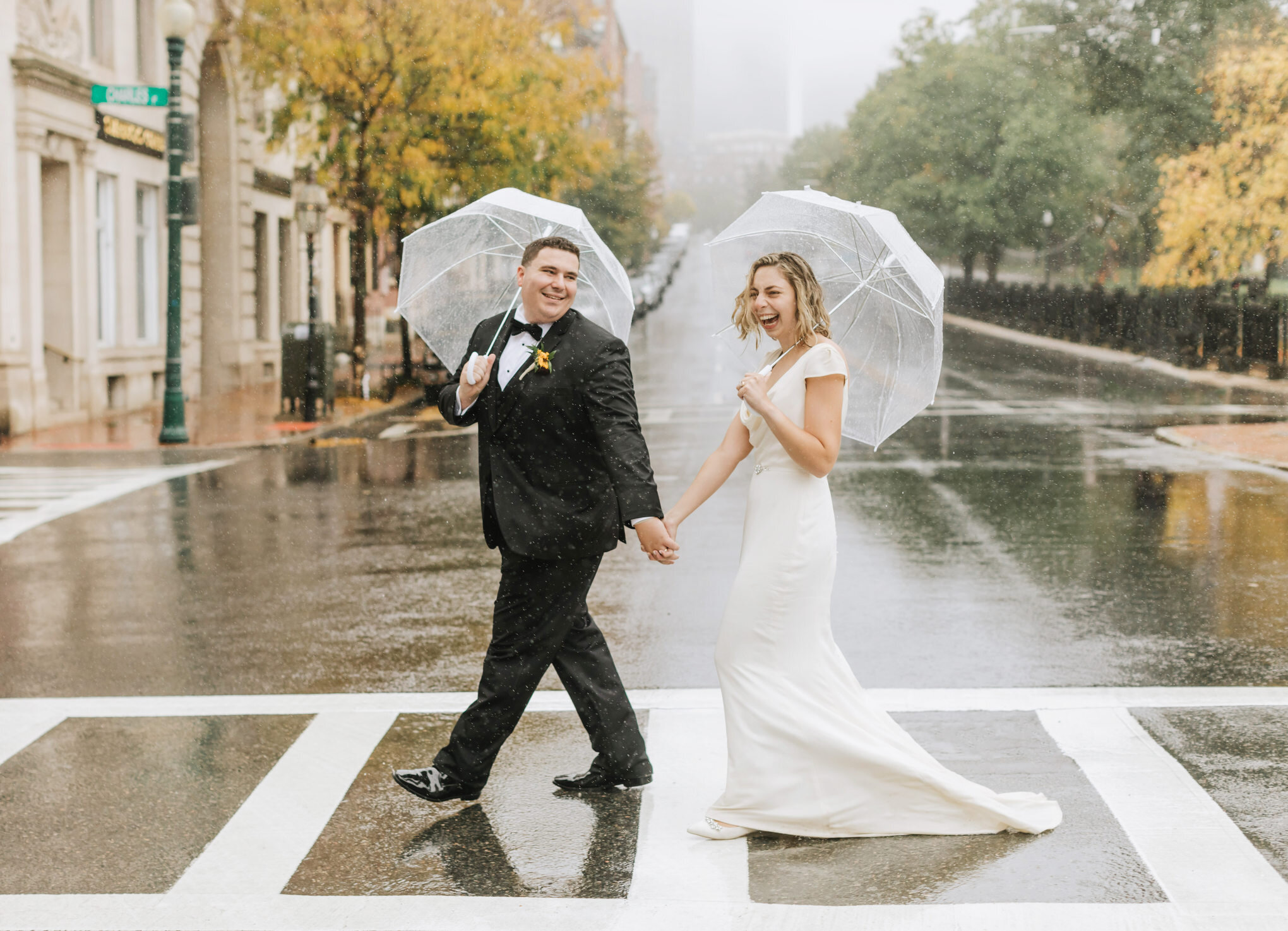
The Hidden Risks of Severe Thunderstorms
When most people think of a thunderstorm, they picture rain. In reality, severe thunderstorms can produce damaging conditions with little warning, including:
- Damaging straight-line winds capable of exceeding 60 mph
- Large hail that can damage roofs, siding, windows, vehicles, and outdoor equipment
- Frequent lightning strikes
- Flash flooding that can make parking areas, roads, and walkways unsafe
- Power outages that disrupt lighting, catering, music, climate control, and essential venue operations
For outdoor venues, these hazards can quickly turn a beautiful ceremony into an emergency situation.
How Severe Weather Can Impact Your Venue
Even if your buildings remain undamaged, severe storms can have lasting effects on your operations.
Potential impacts include:
- Last-minute ceremony relocations
- Damaged tents, tables, chairs, and rental equipment
- Fallen trees or branches blocking entrances
- Guests stranded due to flooded roads or parking areas
- Electrical outages affecting vendors and event schedules
- Property damage requiring expensive repairs
- Lost revenue from canceled or postponed events
Every hour spent responding to an emergency without a plan can increase stress for both your staff and your clients.
Why Every Wedding Venue Needs a Severe Weather Plan
When severe weather develops, there is very little time to make decisions.
A documented Severe Weather Emergency Action Plan allows your team to respond quickly and confidently rather than reacting under pressure.
Your plan should clearly answer questions like:
- Who monitors weather conditions before and during events?
- At what point will outdoor ceremonies be delayed or moved indoors?
- Where will guests shelter if lightning or high winds develop?
- Who communicates updates to vendors and guests?
- How will staff assist elderly guests or those with mobility limitations?
- What happens if power is lost during an event?
- How will emergency responders access the property if needed?
When everyone knows their role before a storm arrives, decisions become faster, communication improves, and safety becomes the priority.
Practical Steps Every Venue Can Take
Preparing for severe weather doesn’t have to be complicated. Start with these best practices:
Monitor the Forecast
Assign a staff member to monitor weather forecasts beginning several days before every event and continue monitoring conditions throughout the wedding day.
Identify Safe Shelter Locations
Designate indoor spaces that can safely accommodate guests if lightning, hail, or damaging winds threaten the venue. Make sure staff know exactly where these locations are and how to direct guests efficiently.
Train Your Team
Your employees should know:
- Emergency communication procedures
- Evacuation routes
- Shelter locations
- Their individual responsibilities during severe weather
Practice your procedures before they’re needed.
Communicate Expectations Early
Discuss your weather policy with couples during the planning process. Let them know how weather decisions are made and what contingency plans are available. Clear communication helps reduce confusion and stress if plans need to change.
Protect Your Property
Regularly inspect:
- Trees and landscaping
- Outdoor lighting
- Signage
- Roofing
- Gutters and drainage systems
- Outdoor furniture and décor
Routine maintenance can reduce damage when severe weather strikes.
Don’t Forget Your Insurance
Even with excellent preparation, storms can still cause significant damage.
Review your insurance coverage regularly to understand what is—and isn’t—covered for severe weather events. Make sure your policies align with the unique risks of operating a wedding venue, including property damage, liability exposures, and business interruption where appropriate.
Having the right coverage, combined with a strong emergency action plan, provides an added layer of protection for your business and your clients.
Preparation Creates Confidence
You can’t control the weather, but you can control how prepared your venue is when severe weather arrives.
Couples choose your venue because they trust you to create a memorable experience. Part of earning that trust is having a plan to protect their guests, your staff, and your property when conditions change unexpectedly.
A severe weather plan isn’t just another document to keep on file—it’s an investment in safety, professionalism, and the long-term success of your venue.
Is Your Venue Ready?
Take time before your next event to review your emergency procedures, train your staff, and ensure your weather plan reflects your property’s unique layout and operations.
The best time to prepare for a storm is long before the first warning is issued.