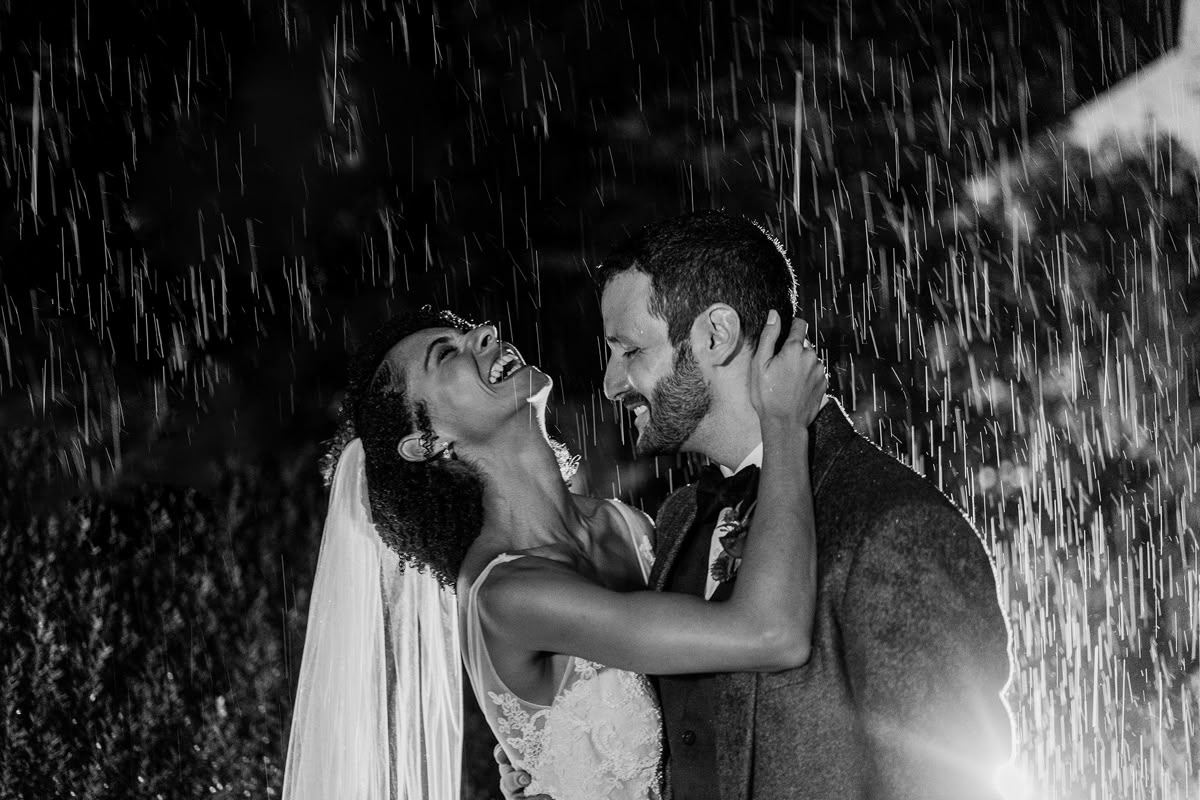
Winter Wedding Risks: 10 Things Every Venue Should Double-Check Before Year-End
December is a strange mix for wedding venues. You have cozy winter weddings, company parties, family gatherings, and a tired team that has been “on” since spring. It is also the perfect time to tighten up a few risk details while the calendar naturally slows down.
At Nuptial, we spend all day in the overlap between “best day ever” and “worst day imaginable,” so we see where winter and holiday events tend to create problems for venue owners. Below are ten areas to review this month, with simple steps you can use right away.
1. Winter Weather and Guest Safety
Snow, ice, and cold rain can turn your pretty driveway and walkways into a slip-and-fall claim.
Risk: Guests slipping on ice, snow, or wet leaves in parking lots, stairs, and walkways.
What to do:
-
Walk the property and note any low spots, slopes, or dark areas guests use after sunset.
-
Set up a written plan for salting, shoveling, or blowing leaves before each event.
-
Add signage and lighting where guests transition from gravel to concrete or from outdoors to indoors.
-
Document when surfaces were treated or checked in case there is ever a claim.
2. Space Heaters, Fireplaces, and Cozy Corners
Nothing feels more “winter wedding” than heaters and fires. They also add very real fire and burn exposure.
Risk: Space heaters too close to decor, propane heaters used incorrectly, fireplaces without barriers.
What to do:
-
Only use heaters that are rated for commercial use and for indoor vs. outdoor as intended.
-
Create a simple “heater placement map” and a checklist your team uses for distance from furniture, fabrics, and decor.
-
Require that staff, not guests, adjust or move heaters and fireplaces.
-
Keep a charged fire extinguisher visible and accessible near each cluster of heaters.
3. Holiday Décor and Electrical Overload
Extra string lights, plug-in candles, trees, and photo backdrops all compete for the same outlets.
Risk: Overloaded circuits, frayed cords, tripping hazards, increased fire risk.
What to do:
-
Walk the venue with holiday décor in place and look for extension cords in walkways, doorways, and near dance floors.
-
Use commercial-grade surge strips and heavy-duty extension cords where needed.
-
Tape down or cover cords that cross guest paths.
-
Add a line in your vendor and decorator guidelines about what is and is not allowed regarding open flames, plug-ins, and power usage.
When we review incident reports for our venue clients, “small” electrical issues and cords in walk paths show up more often than people expect. This is a simple, high-impact place to focus.
4. Alcohol, Holiday Parties, and “One More Drink”
December often brings company parties and family events where drinking feels a little looser.
Risk: Overserved guests, drunk driving, fights, or injuries on and off premises.
What to do:
-
Re-review your alcohol policy: who can serve, last call times, and what happens if behavior gets out of hand.
-
Require professional bartenders with their own liquor liability coverage, not “friend of the family” bartenders.
-
Consider a simple “three-strike” policy for alcohol violations and train your team on what that looks like.
-
Make sure your contracts clearly state that you can cut off service or end the event for safety reasons.
These conversations show up often in our consultations with venue owners, especially in states where liquor claims are getting more expensive. Clear policies and strong vendor requirements can do as much work for you as the insurance policy itself.
5. Vendor Fatigue and Shortcuts
By December, many vendors are exhausted. That is when shortcuts happen.
Risk: DJ, caterer, or planner cutting corners on setup, load-in, or safety to “just get through” the season.
What to do:
-
Send a friendly year-end reminder to your preferred vendor list about your safety expectations: load-in times, vehicle access, candles, alcohol, and cleanup.
-
Ask your team what safety issues they have seen with vendors this year and add those examples to your vendor guidelines.
-
Tighten your rule that all vendors must provide a certificate of insurance and stick to it, even in “small” events.
6. Dark Afternoons and Lighting Gaps
Winter sunsets mean guests arrive and leave in the dark, often on unfamiliar paths.
Risk: Trips and falls in parking lots, steps, and uneven ground after dark.
What to do:
-
Walk your property at the exact time guests typically arrive and depart.
-
Note any dark corners, stairs, or transitions from gravel to concrete.
-
Add solar or low-voltage lighting where needed, and make sure existing lighting is working and on timers.
-
Consider reflective markers at parking edges and along paths.
7. Parking, Mud, and Overflow Plans
Rain plus holiday traffic can turn a simple parking plan into a mess.
Risk: Car accidents, vehicles stuck in mud, damage to landscaping, guests wandering in the dark to find their cars.
What to do:
-
Decide ahead of time how you will handle “Plan B” parking if the grass lot is too wet.
-
Clarify whether you or the client will provide attendants or valet for busy events.
-
Put simple parking and shuttle language into your contracts and event sheets so expectations are clear.
-
Make sure your incident report process includes vehicle damage or parking-lot injuries, not just “inside the venue” issues.
8. Staff Burnout and Training Gaps
A tired team is more likely to miss details or make slower decisions in an emergency.
Risk: Slow response to incidents, inconsistent enforcement of rules, poor documentation.
What to do:
-
Hold a short “season wrap-up” meeting to ask staff what felt unsafe or unclear this year.
-
Refresh everyone on how to fill out an incident report and who to notify when something happens.
-
Identify one backup per shift who knows how to make the call to end bar service or shut an event down if safety is at risk.
-
Consider rotating lighter duties or early nights as your schedule allows so people are not running on fumes.
Our venue partners often share that a simple reset on expectations with staff can change their whole next season. Insurance responds after something happens. A clear SOP helps you prevent it or at least respond in a more organized way.
9. Contracts That Do Not Match Reality
You may have adjusted how you run events during the year without updating your contracts.
Risk: Contracts that are silent or vague on the exact things causing you the most stress and exposure now.
What to do:
-
Pick your top three headaches from this year: maybe alcohol, decor, or late-night noise.
-
Check whether your contracts actually address those issues in clear, simple language.
-
Note where you need a future update and plan a time in January to review contracts with your attorney or risk advisor.
-
Make sure your event insurance requirements for couples and vendors match what you are actually enforcing on site.
(Important note: This article is for general education and risk awareness. It is not legal advice, and you should review your contracts and policies with your own attorney and insurance professionals.)
10. Year-End Insurance and Risk Review
December is a natural time to ask, “Did our coverage and processes really match what we do?”
Risk: New buildings, amenities, or services not reflected in your insurance program or in your safety plan.
What to do:
-
List anything you added this year: buildings, renovations, amenities like fire pits or cabins, or new bar setups.
-
Confirm those changes were reported to your insurance agent or carrier, not just your marketing team.
-
Check your certificates of insurance requirements and event insurance requirements for the upcoming year.
-
Schedule a call early in the new year with your insurance partner to walk through any changes and near-misses you have seen.
For many of our venue clients, this turns into a simple “Before We Do” style risk review. We look at how you actually operate now, where your biggest exposures live, and how your coverage, contracts, and checklists can work together instead of in separate silos.
How to Use This Article in Your Business
You can:
-
Post this on your blog with a short intro about your venue and how seriously you take safety.
-
Pull out individual sections (like winter weather, holiday decor, or alcohol) as separate social posts or email tips to couples.
-
Turn the checklist items into a simple “Winter Event Readiness Checklist” for your team.
If you already work with Nuptial, many of these items can plug directly into the processes and insurance requirements we have helped you build. If you do not, you can still use this as a starting point to ask better questions of your current insurance and legal partners.
Winter and holiday events are not “scarier” than the rest of your calendar. They just shine a brighter light on the gaps that already exist. A short, thoughtful year-end review of your site, staff, contracts, and coverage can set you up for a calmer, more confident season ahead, with Nuptial or another trusted partner walking that path with you.